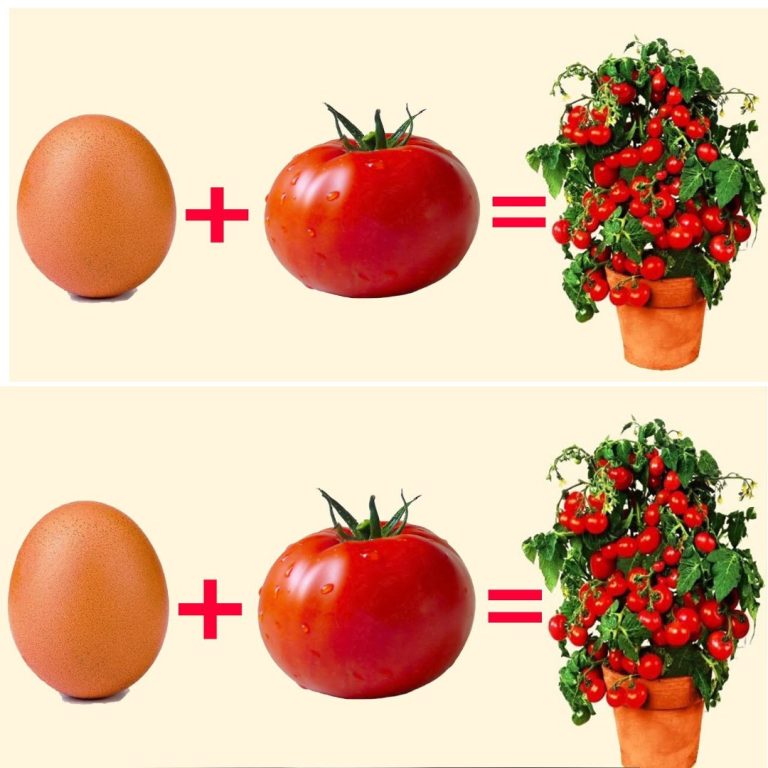
5. Companion Planting
Beneficial Companions: Plant tomatoes alongside beneficial companions like basil, marigolds, garlic, and onions. These plants can help deter pests and improve growth.
Avoid Certain Plants: Avoid planting tomatoes near plants like potatoes, fennel, and corn, which can compete for nutrients or attract similar pests.
6. Consistent Watering
Deep Watering: Water your tomato plants deeply and consistently to encourage strong root development. Inconsistent watering can lead to problems like blossom end rot and cracking.
Avoid Overhead Watering: Water at the base of the plants to keep foliage dry and prevent fungal diseases.
7. Fertilization
Balanced Nutrition: Use a balanced fertilizer to provide essential nutrients. A fertilizer high in phosphorus (the middle number in the N-P-K ratio) supports root and fruit development.
Feeding Schedule: Start with a balanced fertilizer when planting and switch to a high-potassium fertilizer when fruits begin to develop.
8. Disease and Pest Prevention
Resistant Varieties: Choose disease-resistant tomato varieties to minimize issues with common diseases like blight and wilt.
Regular Inspection: Regularly inspect plants for signs of pests and diseases. Early detection allows for prompt action, such as using organic insecticides or removing affected leaves.
9. Crop Rotation
Prevent Soil-Borne Diseases: Avoid planting tomatoes in the same spot each year. Rotate crops to reduce the risk of soil-borne diseases and nutrient depletion.
10. Proper Planting Depth
Deep Planting: Plant tomatoes deeply, burying part of the stem. This encourages additional root growth and results in a stronger plant. Remove the lower leaves and bury the stem up to the first set of true leaves.
11. Pruning and Training
Suckers Removal: Prune off the suckers (side shoots) that grow between the main stem and the branches. This directs energy towards fruit production and improves air circulation.
Single or Double Stem Training: Train the plant to grow with one or two main stems to manage growth and support.
12. Environmental Protection
Wind and Cold Protection: Use row covers, cloches, or windbreaks to protect young plants from cold winds and unexpected frosts.
Shade in Hot Climates: In extremely hot climates, provide shade during the hottest part of the day to prevent heat stress.
By incorporating these essential practices into your tomato planting routine, you’ll create an optimal growing environment for your tomatoes, leading to healthier plants and a more bountiful harvest.