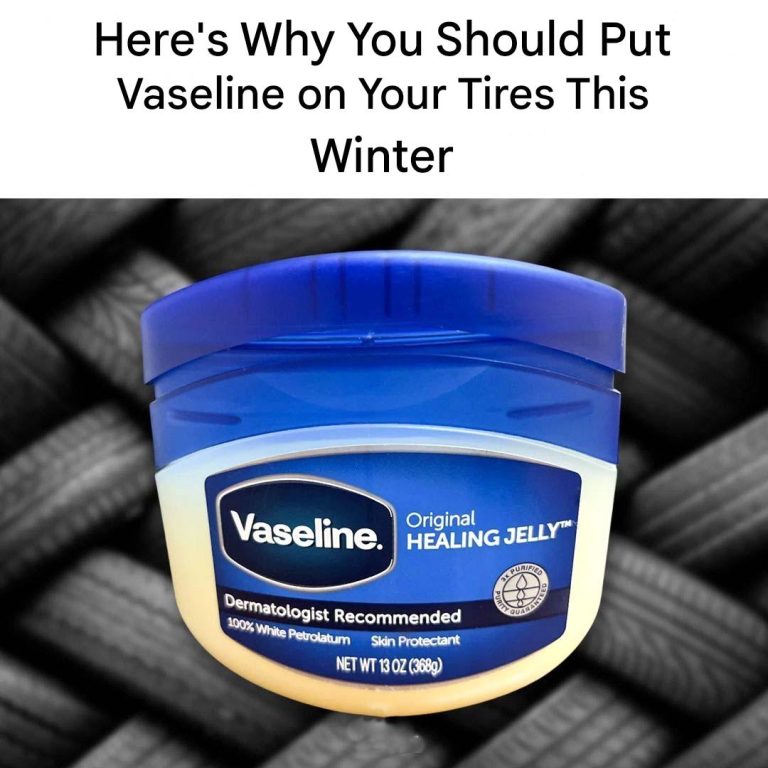
Why it doesn’t work sustainably
Despite its apparent simplicity, this method has several limitations:
Heat instability: Even in winter, the rotation of the tires generates heat. The petroleum jelly then becomes liquid, in particular its effectiveness.
Rubber degradation: Valseline, derived from petroleum, can damage rubber elements such as the valve stem and the joint.
Risk to the brakes: If the petroleum jelly comes into contact with the brake discs, it may impair their effectiveness.
Safer and more effective alternatives
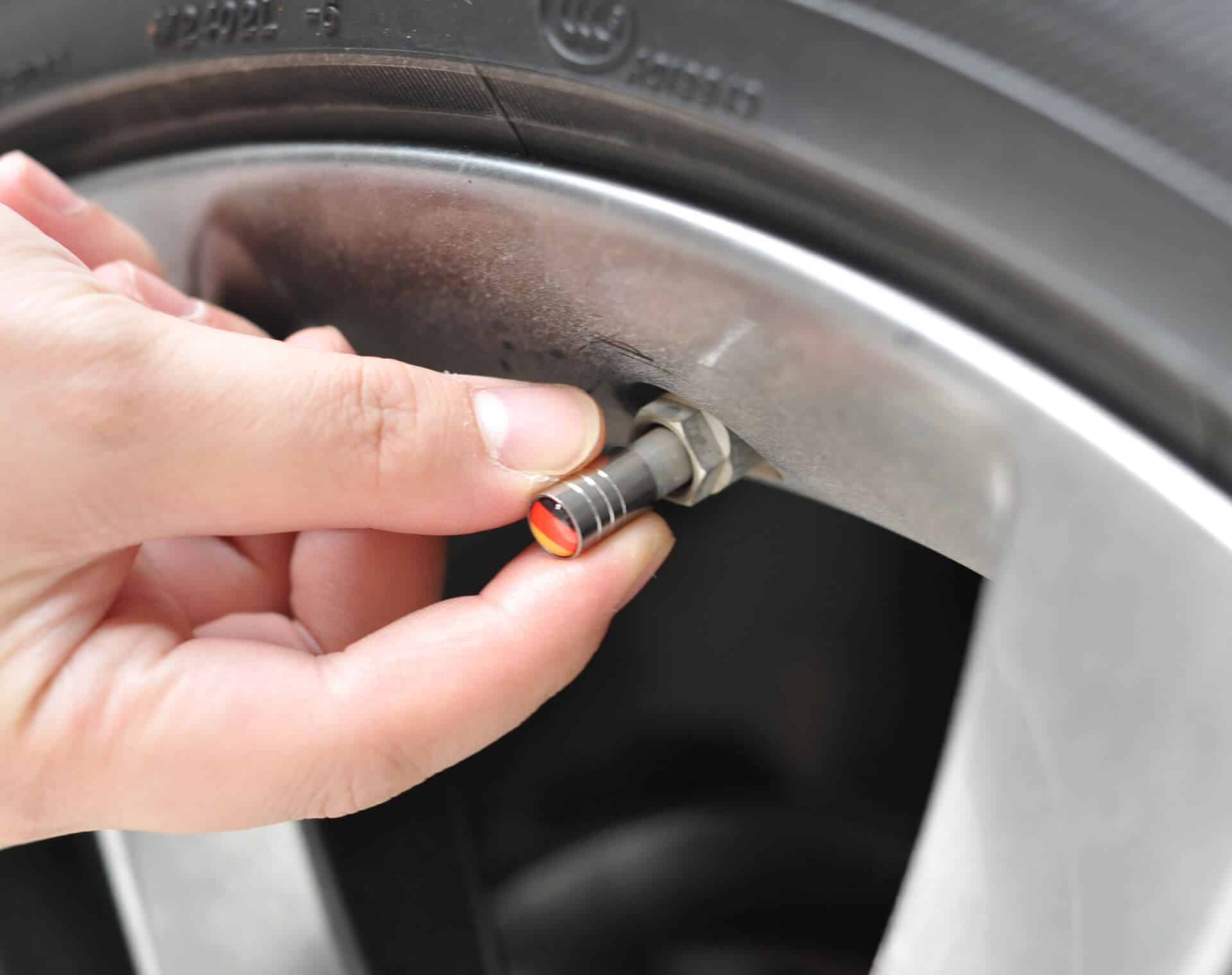
To avoid pressure losses in winter, give preference to these proven solutions:
Dielectric fat or silicone gel
These products are compatible with rubber and effectively protect against moisture and dirt.
Read more on the next page >>