Step 2: Cylinder cut
Using a sharp cutter or knife, carefully cut the plastic bottle in the horizontal direction, creating two separate parts: an upper part and a lower part. The top will serve as an incubator lid, while the lower part will house your eggs or plants.
Step 3: Creation of a breakdown
To ensure proper circulation of air in the incubator, make small ventilation holes along the sides of the lower bottle. These holes will prevent moisture build-up and promote healthy growth. Make sure that the holes are not too large, as this could compromise the stability of the incubator.
Step 4: Optional changes
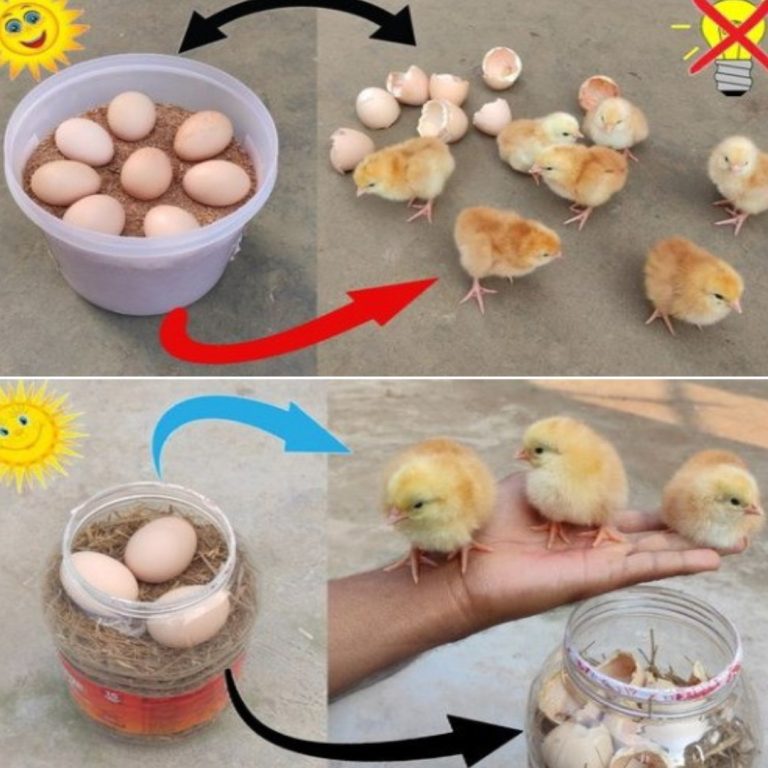
Depending on your specific needs, you can choose to further customize your incubator. For example, if you hatch eggs, you can place a small water cup in the bottom to maintain the moisture level. In addition, you can choose to stick adhesive tape or seal the spaces between the upper and lower parts of the bottle in order to maximize heat retention.
Step 5: Assembly
Carefully place your eggs or plants in the bottom of the bottle, making sure they are securely attached and well positioned. Place the top of the bottle on the bottom, ensuring that it fits tightly. If necessary, use adhesive tape or other materials to attach the two parts together.
Step 6: Monitoring
Once assembled, place your home incubator in a suitable place where the temperature and lighting are stable. If temperature monitoring is crucial, consider placing a thermometer inside the incubator to ensure optimal growth or hatching conditions.