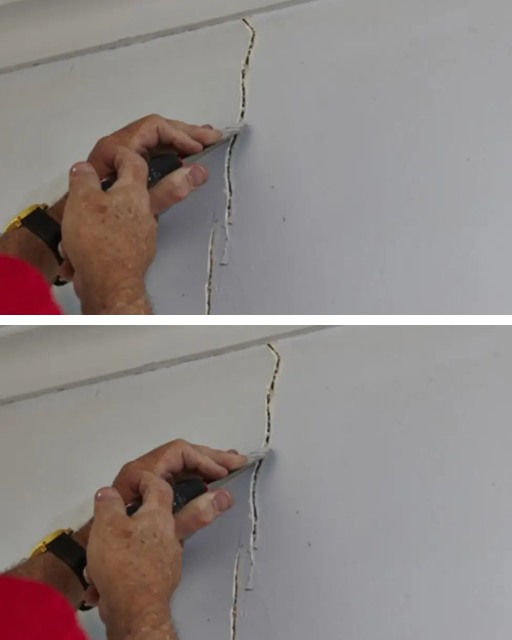
5. Paint the Repaired Area
Finally, restore the wall’s appearance:
Apply the matching paint over the primed area, feathering the edges to blend with the existing paint.
Depending on the paint and wall color, multiple coats may be necessary. Ensure each coat dries fully before applying the next.
Preventing Future Wall Imperfections
To minimize the occurrence of scratches, fissures, and cracks:
Control Moisture: Excess humidity can weaken wall materials. Use dehumidifiers in damp areas and address any leaks promptly.
Use Quality Materials: High-quality paints and primers adhere better and offer more durability, reducing the likelihood of future imperfections.
Proper Application: Ensure paint is applied under suitable conditions, allowing adequate drying time between coats to prevent issues like peeling or bubbling.
Regular Maintenance: Inspect your walls periodically for signs of damage and address them early to prevent escalation.
Conclusion
Maintaining the pristine condition of your home’s walls enhances its beauty and preserves its structural integrity. By accurately identifying the type of wall imperfection and following the appropriate repair methods, you can effectively manage minor damages. However, always prioritize safety and consult professionals when dealing with significant cracks or structural concerns. With the right approach and materials, your walls can remain a flawless backdrop to your home’s interior for years to come.